Across Michigan, companies and manufacturers need workers. And the requirements to gain a job have also evolved. Especially with advances in how technology has been integrated in the workplace. In September General Motors donated one point five million dollars to the mi-stem network promoting stem education and workforce development in school districts.
“There’s a lot of great activity in this area if you look at, you know, what a number of companies are doing and people involved in various programming within the schools,” said David Rowe, CEO of the MTEC SmartZone. “I would encourage more of that and candidly with the challenges, you know, at the state level in terms of budget and arguing or debating priorities. You know, I would love to see more private sector involvement.”
When General Motors donated funds to support the mi-stem network last month, Rowe saw the move as a challenge for other manufactures and businesses to engage in workforce development within the state.
In recent years career and technical education programs have become more popular among high school students. Providing hands on learning, collaboration with professionals, and opportunities to earn certifications.
“They’re working at this and the resources coming in through the MI-STEM Network is important in that because it’s allowing teachers to learn things and learn how to teach certain things that are going to be important to these kids as they move forward in their education and then into their lives,” said KEDA Executive Director, Jeff Ratcliffe.
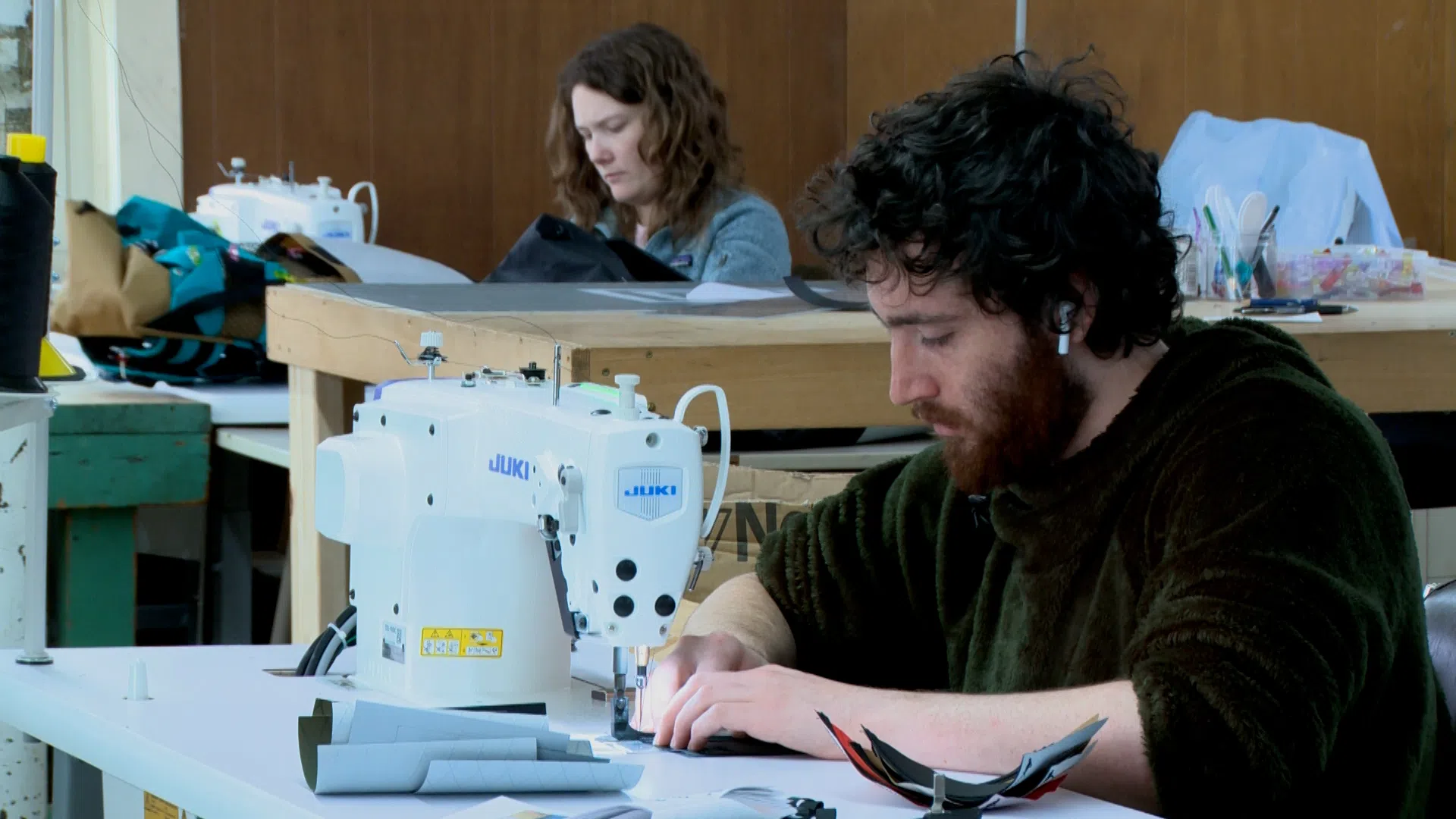
After mining declined in the Keweenaw Peninsula, many residents and graduates of Michigan Tech needed to leave the region to find work. Rowe followed that path like the others. But he says those expectations have begun to change. With several emerging companies having found a home in the copper country.
“This particular region is developing a strong reputation on that front. To be innovative, a strong work ethic, and delivering on promises while being able to do it at very high quality and delivering goods and services on tight timelines,” said Rowe.
Keweenaw Economic Development Alliance’s Ratcliffe says there are still barriers that prevent the Copper Country from fully filling workforce needs. Two of the primary challenges to adding new workers to the region’s workforce are housing opportunities and access to childcare.
He says efforts to add new housing options have helped revitalize communities. The region has a high need for low-income housing.
“We need it. We need some really nice lower income housing. People are people. I mean, these (people) are the workforce. This is part of our workforce. You know, the workforce spans all kinds of people at all kinds of incomes, and we need to make sure that we are providing housing for people at all levels of income and not just running down stuff, said Ratcliffe. “We need to be providing them with good, clean, safe housing.”
“We’re not out there, maybe we should be tooting our own horn, but we’re raising our profile through the work that we’ve been doing here and that’s helping. Again, it’s not the complete picture, but there’s always more to do tomorrow.”
Michigan continues to work toward attracting workers, businesses, and manufacturers. Through collaboration with school districts and CTE programs, Michigan communities have begun to train the next generation of workers. But communities will still need to address housing and childcare barriers for workers to return to Michigan.
Between November 9th and 13th MTEC SmartZone’s Return North online career fair will connect potential workers with local businesses and manufacturers. Those interested in learning more about the Return North event can find information here. CCISD CTE programs include a variety of technical career opportunities, as well as programming for health sciences and business. Learn more about CTE programs here. Learn more about the Start Small: Build your Childcare Business program here.